
Condition

Knee arthritis specialist in Lancaster

Knee osteoarthritis causes pain, stiffness and swelling as the smooth cartilage covering the joint wears. It is most common after the age of 50. Mr Reddy assesses and treats knee arthritis at Lancaster Private Hospital, starting with the simplest treatment that is likely to work.
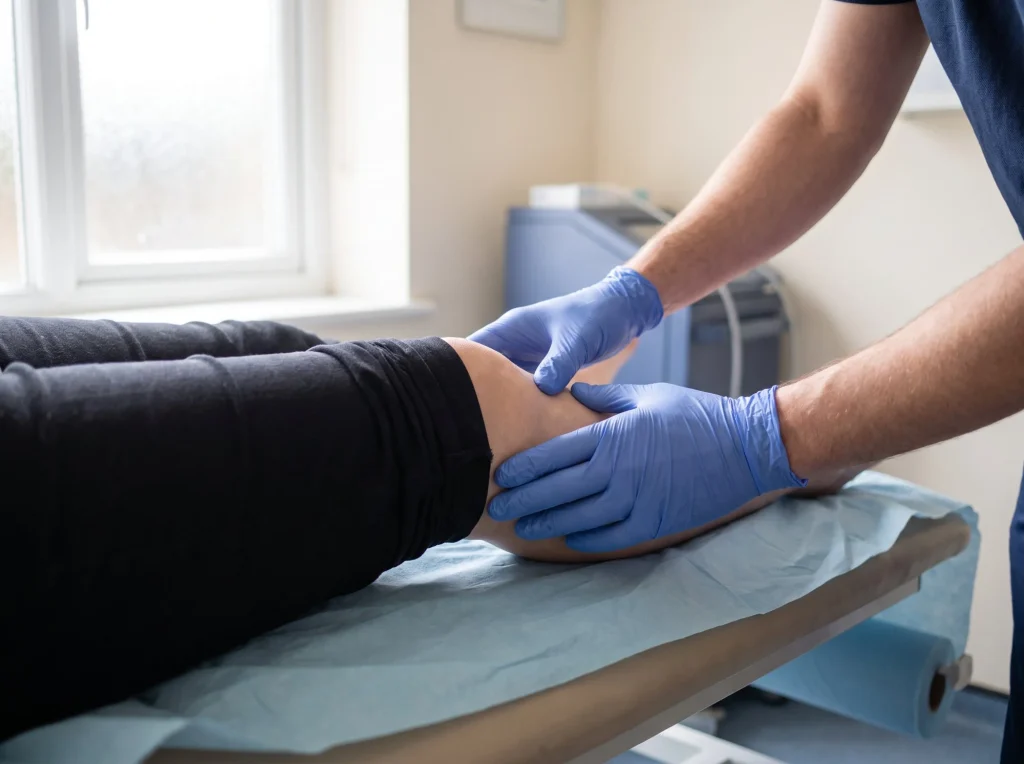
Clinician in blue gloves examining a patient’s knee on a treatment couch

What is knee osteoarthritis?

Osteoarthritis is the most common type of arthritis. In the knee it can affect the inner side, the outer side or the area behind the kneecap — or the whole joint. Which parts are affected helps decide which treatments may suit you.

Causes and risk factors

Age — it becomes more common after 50

A previous knee injury or operation

Being overweight, which increases load on the knee

Family history of osteoarthritis

Jobs or sports that involve heavy kneeling or lifting

Symptoms

Pain that is worse with activity and eases with rest

Stiffness, especially in the morning or after sitting

Swelling and a grinding or crackling feeling

Difficulty with stairs, kneeling or getting out of a chair

Go to A&E or call 111 ifPossible causeWhat to do
Hot, red, swollen knee with feverPossible infectionCall 111 or go to A&E
Knee suddenly unable to bear weight after a fallPossible fractureGo to A&E

When to see a specialist

See a specialist if knee pain affects your sleep, walking or work for more than a few weeks, or if exercise, weight loss and pain relief are no longer helping. You can book directly or ask your GP to refer you.

How it is diagnosed

A conversation about your symptoms and what you would like to be able to do

An examination of your knee, hip and walking

X-rays taken standing, and sometimes an MRI scan

Treatment options

Self-care and exercise

Strengthening exercises and staying active.

Physiotherapy

A guided programme to improve strength and movement.

Injections

Steroid injections can ease painful flare-ups.

Partial or total knee replacement

When pain limits daily life despite other treatment.

Living with knee arthritis

Knee arthritis usually changes slowly. Many people manage well for years with exercise and weight management. If symptoms progress, surgery can be planned at a time that suits you.

Why see Mr Reddy

Explains every option: non-surgical treatment is always discussed first

One surgeon throughout: from your first consultation to your final follow-up

NHS consultant: Trauma & Orthopaedics, University Hospitals of Morecambe Bay

Verified patient feedback: rated 5.0 on iWantGreatCare from 16 reviews

At a glance

Common symptoms
Pain, stiffness, swelling, grinding
How it is diagnosed
Examination and X-rays
Treatment options
Exercise, physiotherapy, injections, knee replacement
Urgent help
Hot, red, swollen knee with fever — call 111

Book a consultation

Choose one of Mr Reddy’s clinic times at Lancaster Private Hospital.

Hospital reception 01524 62345
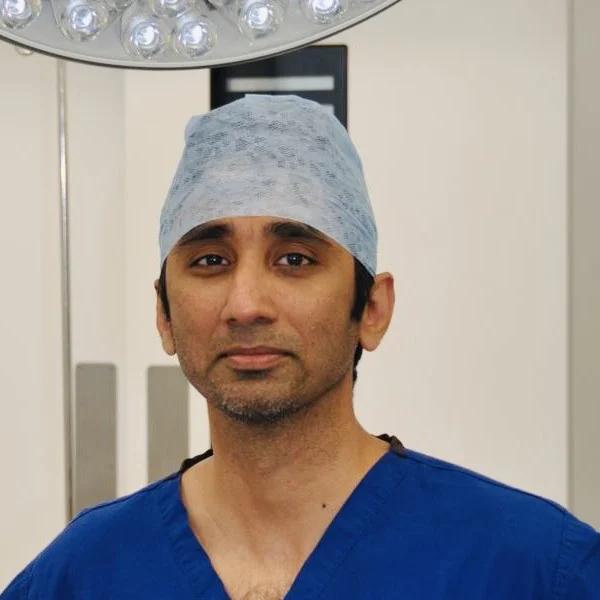
Mr Srikanth Reddy, consultant orthopaedic surgeon, in theatre scrubs and cap

Mr Srikanth Reddy

Consultant Orthopaedic Surgeon

MBBS, MRCS, MS, MCh, EBOT, FRCS (Tr & Orth) · GMC 6106456

FAQs

Knee arthritis: frequently asked questions

Osteoarthritis cannot be reversed, but symptoms can often be improved a great deal with exercise, weight management, physiotherapy and, if needed, surgery.

Ready to talk about your hip or knee?

Appointments are booked directly with Lancaster Private Hospital using Mr Reddy's own clinic times. If you are insured, ask your insurer for an authorisation code first. Self-funding patients are welcome.